Oral Health into Primary Care Settings for Children Quality Improvement Project (Oral Health QIP)
The Integration of Oral Health into Primary Care Settings for Children Quality Improvement Project (Oral Health QIP) helps primary care practices incorporate oral health services into routine care for children ages 5 and under. The project supports participating practices with training, quality improvement coaching, clinical expertise, and resources to increase the use of oral health screening, fluoride varnish, and silver diamine fluoride (SDF) in primary care settings.
Project Impact
Many young children, particularly those living in rural and underserved communities, have limited access to dental care.1 Because primary care providers often see children more frequently than dentists during the early years of life, they are uniquely positioned to identify oral health concerns, provide preventive services, and connect families with additional care when needed. The Oral Health QIP is designed to help practices build these services into routine pediatric care so that oral health is addressed earlier and more consistently.
Through provider education, quality improvement support, data collection, and collaboration with clinical partners, the project aims to strengthen the integration of oral health into primary care workflows. Participating practices receive tools and support to implement evidence-based oral health services and sustain those improvements over time, helping create stronger connections between medical and dental care for Ohio children.
What Makes the Oral Health QIP Unique?
This project addresses oral health through a systems-level approach by embedding preventive oral health services directly into primary care settings rather than relying solely on traditional dental visits. By combining quality improvement methods, provider training, clinical expertise, data collection, and statewide partnerships, the project seeks to expand access to oral health services in communities where children may otherwise face barriers to receiving care.
The project aligns with Ohio's efforts to improve child health outcomes and preventive care by supporting earlier identification of oral health needs and increasing access to evidence-based services for young children. The GRC brings expertise in quality improvement, practice transformation, data management, stakeholder engagement, and program implementation to help participating practices adopt and sustain these changes.
GRC's Role
The Ohio Colleges of Medicine Government Resource Center (GRC) leads project implementation, quality improvement support, practice engagement, data collection, and overall project coordination. The GRC works closely with clinical experts and partner organizations to help primary care practices integrate oral health services into routine care for young children.
Sponsors and Other Key Details
Sponsor:
Ohio Department of Health (ODH)
Project Leadership:
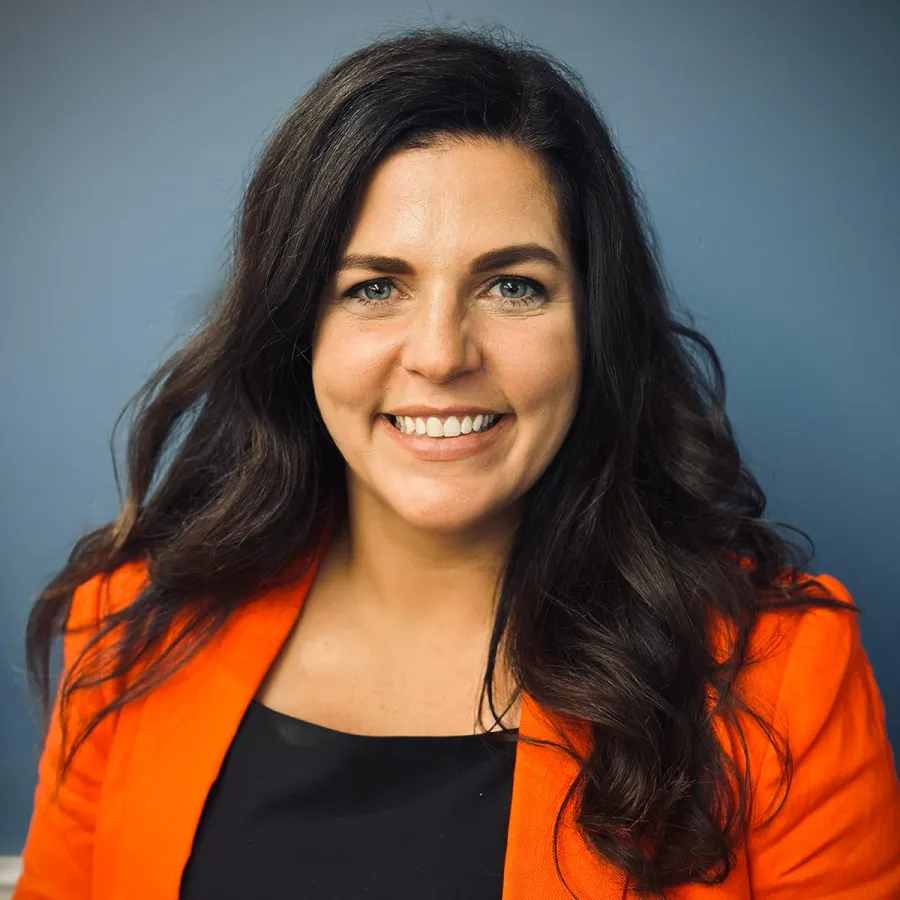
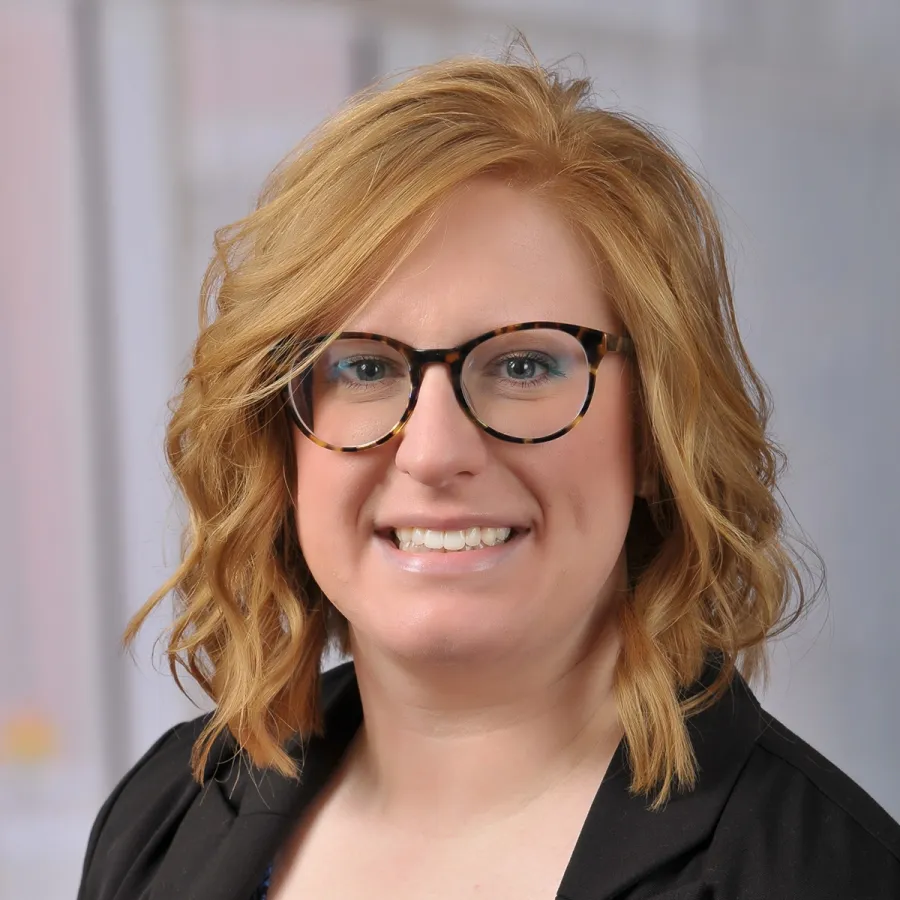
Katherine Jenkins, MPH and Allison Lorenz, MPA
Key Partners:
The Ohio State University College of Dentistry, Partners for Kids (PFK), and the Ohio Academy of Family Physicians (OAFP).
Target Population:
Children ages 5 and under receiving care in participating Ohio primary care practices.